If you are pricing a new fence in Newcastle, OK, you have probably noticed something right away. Two neighbors can get quotes for what looks like the same fence and the numbers still come back pretty different.
That is normal.
Fence pricing is not just about material. It is about the job site, the layout, the soil, the wind, the number of corners, and the little details that turn a simple run into a longer install.
In this guide, I will walk you through what actually drives fence installation cost around Newcastle and Blanchard, what you can do to keep the budget under control, and where it is worth spending a little more so your fence does not end up leaning after the first big stretch of Oklahoma weather.
Across the US, a common installed price range is about fifteen to twenty five dollars per linear foot, depending on material, height, and complexity.
That is a helpful starting point, but Newcastle pricing will still swing based on local conditions and project details.
Also, do not fall into the trap of comparing your quote to a single national number. A fence that is six feet tall, has two gates, sits in shifting clay, and needs extra bracing for wind is not the same job as a basic four foot run on easy ground.
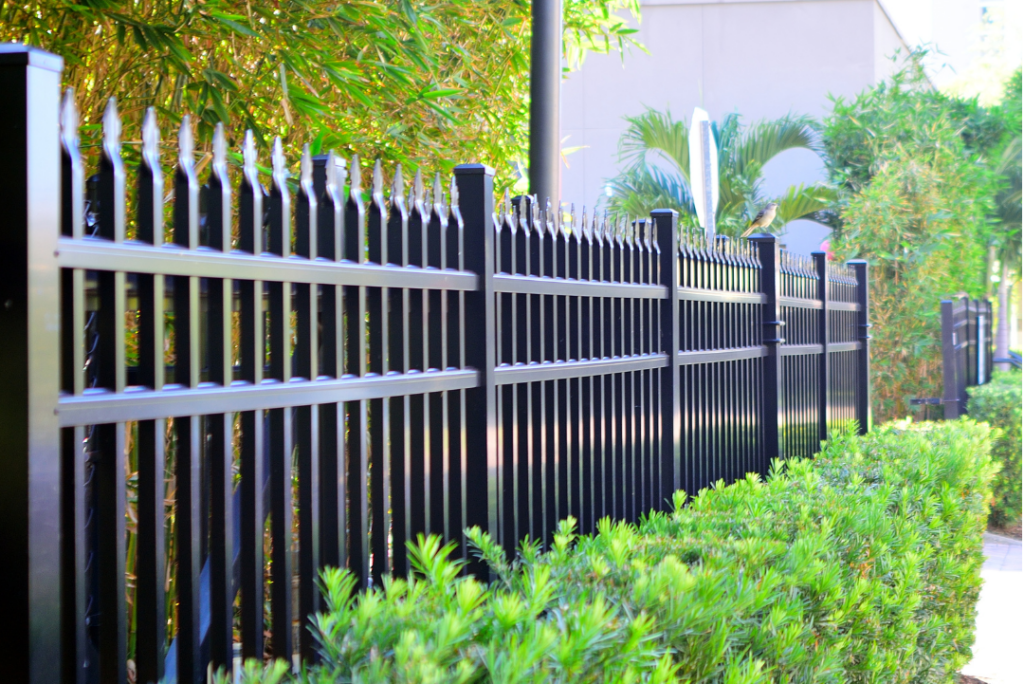
Most fencing is priced by the linear foot, so the total footage matters. But layout matters too.
A clean rectangle is usually cheaper per foot than a yard with:
Every corner typically means more posts, more digging, more concrete, and more time setting and leveling.
A four foot fence and a six foot privacy fence might use the same material category, but they are not priced the same.
Taller fences mean:
If you are in a windier spot, going taller without upgrading the build details can be the difference between a fence that lasts and a fence that wobbles.
Material is one of the easiest price levers to understand, but it still surprises people.
Here is the practical way to think about it.
For Dove Hill Fencing, this is where your internal links naturally fit. If someone is still deciding, point them to your service pages for Vinyl Fencing, Metal Fencing, and Farm Fencing so they can compare options in one place.
A gate is not just a hole in the fence. It needs solid posts, proper swing clearance, good hardware, and careful alignment.
Cost changes based on:
Gate posts often need to be set deeper, especially in softer soil or when wind loads are higher. Angi notes that deeper setting is common in windy areas and for gate posts, and that posts are often buried about one third to one half of the above ground height.
If you have lived here for any length of time, you already know. It gets breezy on normal days and it can get serious during storms.
If you want a fence that feels solid, the quote should reflect:
For wind context, Oklahoma Mesonet provides live wind speed and gust mapping statewide, which is a good reminder of how often wind is part of daily life here.
DOE and NREL also publish Oklahoma wind resource maps that show the broader wind profile across the state.
That does not mean your fence has to be overbuilt. It means the design should match reality. Solid privacy panels catch more wind than more open styles, so the structure matters.
In this region, soil is one of the sneakiest cost drivers.
If the ground is easy to dig, the install moves fast. If the ground is rocky, hard packed, or constantly shifting, labor and materials go up.
One way to think about post setting is simple. Softer or challenging soil usually means deeper, stronger set posts. Even fencing industry guidance for tough terrain often comes back to the same theme. In soft ground, go deeper.
And if you are asking, what about frost depth, Oklahoma is not like the northern states, but it still matters for permanent installations. Oklahoma Administrative Code references frost line assumptions by county, with many counties presumed in a range of about six to ten inches, and some areas higher. A good installer will still use local standards and what the local authority expects.
If there is an old fence in the way, your quote might include:
This can be a quick add on that homeowners forget to account for when they compare quotes.
A lot of homeowners assume fences are always permit free. That is not always true.
For example, Oklahoma City requires a fence permit for building, installing, altering, or repairing a fence, and their public guidance includes a permit fee.
Newcastle and Blanchard rules can be different than OKC, so the safe approach is simple. Check with the local authority before install. If a contractor is pulling permits, you want that clearly stated in writing.
Also, fence height rules and front yard restrictions are common across many cities. You will often see front yard height limits around three to four feet and taller allowances in side and rear yards depending on the jurisdiction.
If you want a practical estimate before you call for quotes, do this:
Then think in ranges, not a single number.
As a starting point, many homeowners land somewhere around the national installed range mentioned earlier, then adjust up or down based on these details.
If you have the option to avoid extra jogs and short segments, it helps.
If you want privacy for one side, you may not need full privacy around the entire property. A mix of styles can make sense.
A common approach is pairing a privacy fence with a more open style in less visible areas. This is a great time to link internally to Commercial Fencing or Farm Fencing if the property is rural or mixed use.
Every extra gate adds cost. Place them where you will actually use them.
The cheapest quote can get expensive fast if it is missing:
If you cut corners here, you feel it later. Leaning and sagging usually starts at the posts.
A good rule of thumb many pros use is burying posts about one third to one half of the fence height above ground, with adjustments for wind, soil, and gates.
If your yard catches wind, privacy panels need proper structure. Otherwise, you are basically hanging a sail.
If you go with wood, budgeting for protection matters. This is a natural internal link to Fence Staining and Sealing, because maintaining the fence is part of the total cost of ownership, not just the install.
A strong quote typically spells out:
If the quote is vague, ask questions. A contractor should be able to explain why the price is what it is.
The American Fence Association emphasizes training and professional installation fundamentals as a key part of durable, safe builds, which is exactly what you want behind a quote.
It depends on footage, material, and site conditions. Many homeowners start with a per foot range similar to national averages, then adjust based on height, gates, and soil and wind factors.
Yes. Wind impacts structure choices, post depth, spacing, and bracing. Oklahoma wind data products like Mesonet make it clear wind is a regular design consideration here.
It depends on the city and neighborhood. Some cities like Oklahoma City require permits and inspections for fence work. Always confirm with the local authority for your address.
Depth depends on fence height, soil, and wind exposure. A common guideline is around one third to one half of the above ground height, with deeper settings for gates and windy or soft conditions.
If you are planning a new fence in Newcastle, OK or nearby areas like Blanchard, the fastest way to get an accurate number is to have a pro measure the line, look at soil and access, and confirm your fence goals.
For next steps, explore Vinyl Fencing, Metal Fencing, Farm Fencing, Commercial Fencing, and Fence Staining and Sealing, then reach out for an estimate based on your exact layout.