
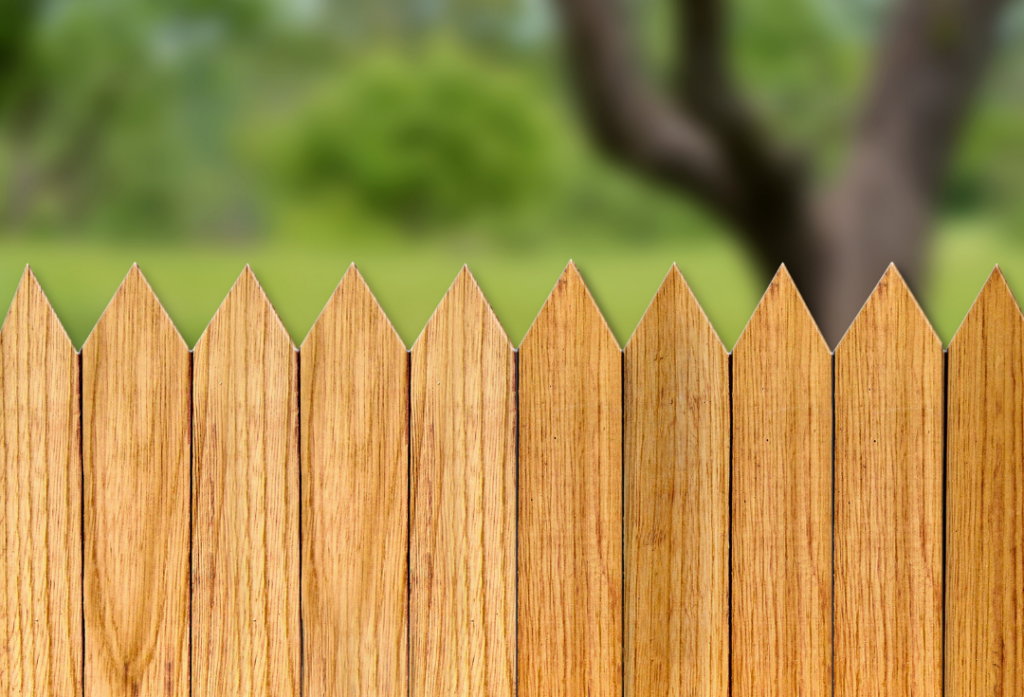
There is something timeless about a wood fence.
It adds warmth to a home, creates privacy, and gives a property a natural look that many homeowners still prefer over other materials. But unlike vinyl or metal, wood needs a little attention if you want it to keep looking its best.
One of the questions we hear most often from homeowners around Newcastle and Blanchard is:
“How often should I stain my fence?”
The answer depends on several factors, but Oklahoma’s climate plays a much bigger role than many people realize.
Between long stretches of intense sunshine, heavy spring rains, strong winds, and changing temperatures, a wood fence here faces a lot more than just everyday wear.
Understanding when to stain your fence and why it matters can add years to its life and help you avoid expensive repairs or premature replacement.
Let’s take a closer look.
Many people think stain is simply about appearance.
A freshly stained fence certainly looks beautiful, but the stain is doing much more than adding color.
Quality stain helps protect wood from:
• ultraviolet rays
• moisture penetration
• mildew growth
• everyday weather exposure
Without that protection, wood gradually begins to dry out, crack, absorb moisture, and lose its strength.
That process happens much faster in Oklahoma than it does in many milder parts of the country.
If you have lived here for a while, you know how quickly the weather changes.
A week of hot sunshine may be followed by heavy thunderstorms.
Then the temperatures climb again.
Every one of those cycles affects your fence.
Oklahoma receives plenty of sunshine throughout the year.
Ultraviolet rays slowly break down the natural fibers in wood.
Over time you may notice:
• fading color
• dry appearance
• surface cracking
• rough texture
The higher the sun exposure, the faster these changes occur.
The United States Environmental Protection Agency explains that higher UV levels increase exposure risks, which also illustrates why outdoor materials receive significant ultraviolet stress throughout the summer months.
Rain itself is not necessarily the problem.
The issue is repeated wet and dry cycles.
Wood absorbs moisture.
As it dries, it contracts.
After enough cycles, the wood begins developing cracks that allow even more moisture inside.
That is when deterioration starts accelerating.
Oklahoma wind constantly carries dust, dirt, and debris.
While wind does not directly damage stain, it slowly wears down protective coatings over time.
Strong winds combined with blowing dirt can gradually erode exposed surfaces.
For most wood fences in Oklahoma, a good rule of thumb is every two to three years.
However, that is only a guideline.
Some fences may need attention sooner depending on:
• full sun exposure
• wood species
• previous stain quality
• weather conditions
• overall maintenance
Manufacturers such as The Sherwin-Williams Company also note that maintenance schedules vary based on climate and exposure, with many exterior wood projects benefiting from periodic reapplication before the finish begins to fail.
The goal is not to follow a calendar.
The goal is to restain before the wood begins deteriorating.
nstead of watching the calendar, watch your fence.
Common signs include:
If your fence has lost its rich appearance and now looks dull or gray, the protective finish is likely wearing away.
A simple test is to sprinkle water onto the fence.
If the water immediately soaks into the wood instead of beading on top, the stain has likely reached the end of its protective life.
Tiny cracks often develop before larger structural damage occurs.
Restaining at this stage helps reduce additional moisture penetration.
Healthy stained wood usually has a smoother feel.
When it begins feeling rough and dry, the protective coating may be fading.
Many homeowners assume summer is automatically the best season.
Actually, moderate weather often produces better results.
Spring and early fall usually provide:
• comfortable temperatures
• moderate humidity
• stable drying conditions
Extremely hot afternoons can cause stain to dry too quickly, affecting penetration into the wood.
Planning around weather conditions is just as important as choosing the right stain.
Applying stain over a dirty fence rarely produces good results.
Before staining, the fence should be:
cleaned
allowed to dry completely
inspected for damaged boards
checked for loose fasteners
Proper preparation helps the stain absorb evenly and last longer.
Homeowners often focus only on color.
Performance is much more important.
Quality exterior stains provide:
better UV protection
improved moisture resistance
longer service life
more consistent appearance
A cheaper stain may save money today but require reapplication much sooner.
Regular staining is one of the easiest ways to protect your investment.
Combined with routine inspections, it helps identify:
loose boards
minor cracks
developing rot
hardware issues
Small maintenance today often prevents major repairs tomorrow.
Staining works best as part of a complete maintenance routine.
That includes:
cleaning debris away from the fence
keeping vegetation trimmed
checking gates regularly
inspecting posts after storms
Addressing small issues early helps your fence last much longer.
Sometimes homeowners ask whether they should stain an older fence or replace it.
If the fence has:
multiple leaning sections
extensive rot
failing posts
major structural damage
replacement may provide better long term value.
If the structure remains solid, however, staining can significantly extend its lifespan.
Some homeowners eventually decide they would rather reduce maintenance altogether.
That is where exploring Vinyl Fencing or Metal Fencing becomes worthwhile.
Others with larger rural properties may benefit from Farm Fencing solutions that better match their land.
Every property has different needs.
Most fences benefit from staining approximately every two to three years, depending on weather exposure and the condition of the previous finish.
You can, but waiting that long usually means the wood has already lost much of its protective coating.
No. Cleaning removes dirt. Staining provides protection.
For most wood fences, regular staining helps extend the fence’s lifespan and reduces the likelihood of expensive repairs later.
A wood fence is one of the most attractive additions you can make to your property, but it also asks for a little care in return.
Fortunately, that care is not complicated.
Watching for early signs of wear, choosing quality products, and staining before damage begins can help your fence continue looking great for many years.
Whether you need professional Fence Staining and Sealing, are comparing Vinyl Fencing and Metal Fencing, or are planning a completely new installation, protecting your investment always starts with understanding how Oklahoma’s climate affects your fence.
A little maintenance today can make a remarkable difference tomorrow.