One of the first questions homeowners ask after deciding they want a fence is:
“How long is this actually going to take?”
And honestly, that is a fair question.
Most people are trying to plan around:
• work schedules
• pets
• kids
• weather
• upcoming events
• HOA deadlines
The problem is that online answers are usually too simple.
You will see things like:
“A fence takes one to three days.”
Sometimes that is true.
Sometimes it is not even close.
Because the real answer depends on the property, the fence type, the soil, weather conditions, permits, and a handful of other details that most quick articles never mention.
So let’s walk through what fence installation timelines actually look like around Newcastle, Blanchard, and nearby Oklahoma communities.
For a standard residential fence, installation often takes anywhere from a couple of days to about a week once the project officially starts.
But the bigger timeline usually includes:
• estimating
• scheduling
• permits if required
• material delivery
• weather delays
That means the full process from quote to completion can sometimes stretch longer than homeowners initially expect.
The good news is that when the process is handled correctly, most of the timeline is predictable.
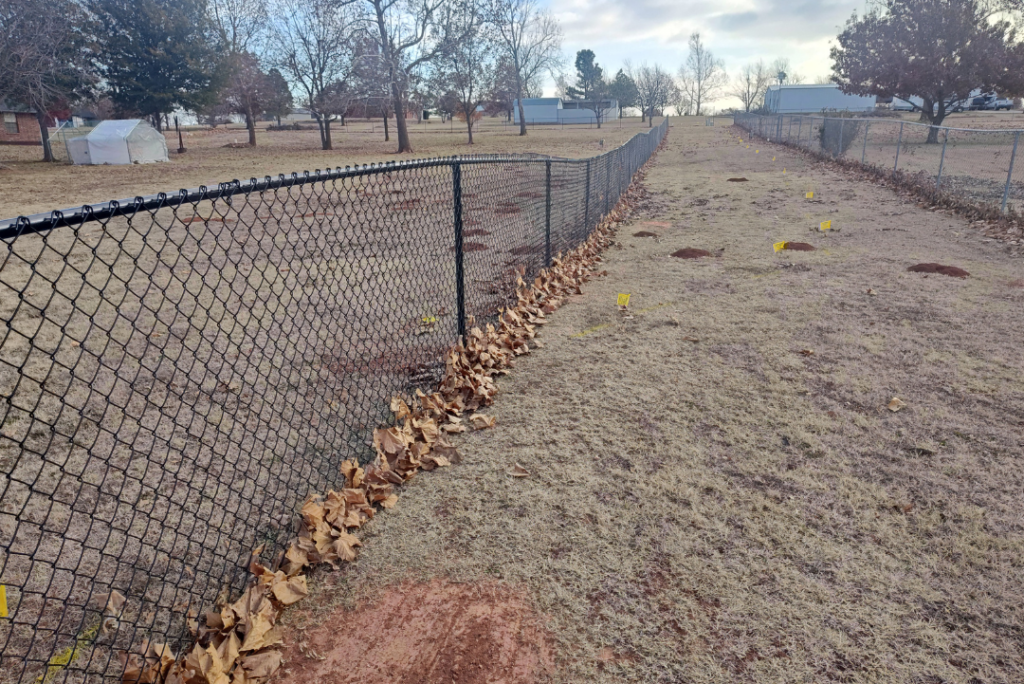
Before any digging happens, the project starts with planning.
This usually includes:
• measuring the property
• discussing fence type and height
• identifying gates and access points
• checking terrain and soil conditions
This is also when homeowners decide between options like:
• Vinyl Fencing
• Metal Fencing
• traditional wood privacy fencing
• Farm Fencing
This phase can move quickly, but if homeowners are comparing multiple designs or waiting on HOA approvals, it may take longer.
Depending on the location and neighborhood, permits or HOA approval may be required.
We covered this in the previous blogs, but it can absolutely affect the timeline.
Some approvals happen within days.
Others may take a couple of weeks depending on:
• the city
• the HOA
• how quickly paperwork is submitted
This is one reason experienced contractors are helpful. They usually know what paperwork is commonly needed and how to avoid delays.
Before posts are installed, underground utilities need to be identified.
This is a critical safety step.
Nobody wants to hit:
• gas lines
• water lines
• electrical lines
• communication cables
This process usually happens before digging begins and can add a few days depending on scheduling.
The timeline can also depend on material availability.
Some fencing materials are readily available.
Others may require ordering, especially:
• custom vinyl colors
• specialty metal styles
• large commercial quantities
For most standard residential projects, this step moves fairly smoothly unless supply delays are involved.
This is the part homeowners usually picture when they think about the project timeline.
But even this stage varies based on several factors.
This one is obvious.
A small backyard fence installs faster than a large acreage project.
Longer fence runs mean:
• more digging
• more posts
• more alignment work
This becomes especially important for larger Farm Fencing or Commercial Fencing projects.
This is a huge factor in Oklahoma.
Clay soil can slow installation because:
• digging becomes harder
• moisture conditions change quickly
• posts need careful setting
If the soil is rocky or uneven, the process can take even longer.
This is one reason we spent time earlier discussing post depth and soil movement. What happens underground affects everything above it.
Different fence types install differently.
Vinyl fencing
Requires precision alignment and proper panel fitting.
Metal fencing
Often requires careful leveling and secure anchoring.
Wood fencing
Allows more flexibility during installation but still requires proper spacing and support.
Each material has its own pace and process.
Gates usually take longer than homeowners expect.
Why?
Because they require:
• reinforced posts
• hardware installation
• alignment adjustments
• proper swing clearance
Double drive gates or custom entry sections can significantly affect installation time.
This is one of the biggest variables in Oklahoma.
Rain can delay:
• digging
• concrete curing
• soil stability
Strong winds can also slow installation, especially for taller privacy fences.
For context, Oklahoma Mesonet consistently tracks changing wind and weather conditions across the state.
That is why weather flexibility is important when scheduling fence projects here.
We covered permits in the previous blog, but this is where everything overlaps.
A city permit confirms:
• the fence meets local code
• height restrictions are followed
• placement complies with regulations
An HOA approval confirms:
• the fence matches neighborhood standards
One does not replace the other.
You may need both.
This is where things can become stressful fast.
Possible outcomes include:
• warnings
• fines
• required modifications
• forced fence removal
And unfortunately, “I didn’t know” usually does not change the outcome.
That is why planning ahead matters.
Some fence styles naturally fit regulations better than others.
Great for backyards, but often restricted in front yard areas because of visibility concerns.
Often approved more easily for front facing areas because it allows visibility.
This is where Metal Fencing can be a smart option depending on your neighborhood.
Rural properties may have different zoning standards compared to suburban neighborhoods.
That is where Farm Fencing becomes more relevant.
The taller the fence, the more wind pressure it experiences.
And in Oklahoma, wind matters.
Monitoring systems like Oklahoma Mesonet regularly track strong wind conditions across the state, reminding homeowners that environmental factors are a real design consideration.
That means taller fences often need:
• deeper posts
• stronger support
• better spacing
This is especially true for solid privacy fencing.
Organizations like American Fence Association emphasize designing fences around local environmental conditions, not just appearance.
Before moving forward with installation, ask:
What is the maximum allowed height
Does my HOA require approval
Are there restrictions on materials or colors
Is my property on a corner lot
Do visibility rules apply near my driveway or street
These questions can save a lot of frustration later.
One of the advantages of working with a local fence company is familiarity with common restrictions in the area.
That includes:
• understanding local zoning patterns
• recognizing HOA requirements
• designing fences that are more likely to be approved
This saves homeowners from costly redesigns or delays.
Even if your fence meets every rule, it still needs maintenance to stay in good condition.
For wood fencing especially, protecting the material from weather is important.
That is where Fence Staining and Sealing helps extend the appearance and lifespan of the fence.
In many areas, six foot backyard fences are common, but exact limits vary by city and neighborhood.
Yes, if the fence violates HOA guidelines or approval requirements.
Sometimes yes. Many HOAs still require approval even for replacements.
Because cities want to maintain visibility for traffic and pedestrian safety.
Fence rules can feel frustrating at first, but they exist to help avoid bigger problems later.
The key is understanding the requirements before installation starts.
That means checking:
• city regulations
• HOA guidelines
• property lines
• visibility rules
Whether you are considering Vinyl Fencing, Metal Fencing, Farm Fencing, or a traditional privacy fence, planning ahead helps ensure the project goes smoothly from start to finish.
Because the best fence is not just one that looks good.
It is one that fits your property, meets local requirements, and stays standing strong for years to come.