If you are planning to install a fence around your home, this question usually comes up at some point:
Do I actually need a permit for this?
A lot of homeowners assume fences are simple projects that do not involve paperwork. And sometimes that is true. But in many cases, especially in growing areas like Newcastle and Blanchard, there are rules you need to follow before you start digging.
The last thing you want is to install a brand new fence and then be told it needs to be removed or modified.
So let’s walk through what really applies in this area, what you should check before building, and how to avoid common mistakes that can cost you time and money.
In many Oklahoma cities, yes, you may need a permit to build a fence.
That includes nearby cities like Oklahoma City, where permits are required for building, installing, or altering a fence.
Newcastle and Blanchard have their own rules, but the key takeaway is this:
You should always check local requirements before starting your project.
Even if a permit is not required for your exact situation, there are still zoning rules, height limits, and property line regulations that apply.
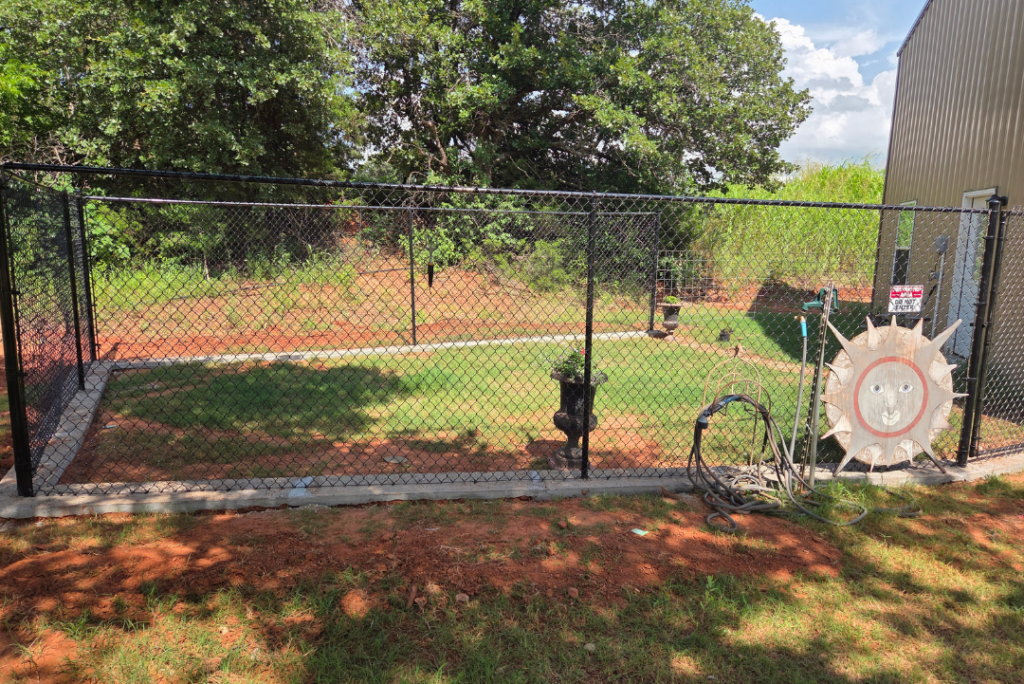
Permits are not just paperwork for the sake of it.
They exist to make sure:
• fences are built within property boundaries
• height limits are followed
• visibility is not blocked in unsafe ways
• structures meet local safety standards
In growing communities, these rules help prevent disputes between neighbors and keep neighborhoods consistent.
Organizations like Oklahoma Department of Emergency Management often highlight how local regulations tie into broader safety considerations across the state.
Newcastle uses an online system for permits and applications, which typically includes construction related projects.
That means if your fence falls under permit requirements, you will likely need to:
• submit an application
• provide basic project details
• wait for approval before starting
Even if your project is straightforward, skipping this step can lead to delays later.
Blanchard also has zoning rules that affect fences.
For example, some local codes outline height ranges for certain types of fencing, often requiring fences to fall within a specific range depending on location and purpose.
That means:
• front yard fences may have lower height limits
• backyard fences can usually be taller
• corner lots may have visibility restrictions
These are the types of details that matter before installation, not after.
Even though every city is slightly different, most fence regulations follow similar patterns.
Typical guidelines include:
• shorter fences in front yards
• taller fences allowed in backyards
This helps maintain visibility and safety.
Your fence needs to be installed within your property boundaries.
This is where surveys come in.
If you build on the wrong side of the line, it can lead to disputes or even forced removal.
If your property is on a corner, there may be restrictions on fence height near intersections.
This is to ensure drivers can see clearly.
If you live in a neighborhood with a homeowners association, you may have additional rules.
These can include:
• approved materials
• color restrictions
• fence styles
• height limits
In some cases, HOA approval is required before city approval.
This is where things can get expensive.
If a fence is built without following local requirements, you could face:
• fines
• required modifications
• full removal and replacement
• disputes with neighbors
Most of the time, these situations are avoidable with a little planning upfront.
Permits can add time to your project, but not as much as most people think.
In many cases:
• applications are processed within days to a couple of weeks
• delays usually happen when information is incomplete
Once approved, installation can move forward normally.
This is why it is better to handle permits early instead of trying to rush the process.
One of the benefits of working with an experienced contractor is that they often handle this process for you.
That includes:
• verifying local requirements
• submitting applications if needed
• making sure the design meets code
This is one of those areas where experience saves time and stress.
Different fence types may be affected differently by local rules.
Privacy fences
Often subject to height restrictions, especially in front yards
Decorative fences
May need to meet specific design guidelines in some neighborhoods
Agricultural or larger property fences
May have different rules depending on zoning
This is where internal links like Vinyl Fencing, Metal Fencing, and Farm Fencing come into play depending on your property and goals.
Even if your fence is approved, it still needs to be built correctly.
Permits focus on compliance.
Installation focuses on performance.
That means:
• proper post depth
• strong structural support
• consideration for wind and soil
Organizations like American Fence Association emphasize that proper installation practices are just as important as meeting code requirements.
Before starting your fence project, make sure you:
Confirm whether a permit is required
Check property boundaries
Review height restrictions
Look into HOA rules if applicable
Choose a fence type that fits your needs
Work with a contractor who understands local conditions
This small checklist can save you from major headaches later.
Not always, but many projects do require permits or must follow zoning rules. It is best to check before starting.
It can range from a few days to a couple of weeks depending on the city and the project details.
Usually yes, but you need to be sure of the exact boundary to avoid disputes.
No, but they add additional requirements you must follow alongside city regulations.
Permits and regulations might not be the most exciting part of building a fence, but they are one of the most important.
Taking the time to understand the rules helps you:
• avoid costly mistakes
• keep your project on track
• protect your investment
If you are planning a fence in Newcastle or Blanchard, make sure everything is handled properly from the start.
From choosing between Vinyl Fencing, Metal Fencing, or Farm Fencing, to ensuring proper installation and finishing with Fence Staining and Sealing, every step matters.
Because the best fence is not just one that looks good.
It is one that is built right, approved properly, and lasts for years without problems.