One of the biggest mistakes homeowners make before installing a fence is assuming they can build whatever they want as long as it is on their property.
That sounds reasonable at first, but in reality, fences are usually affected by:
• city regulations
• zoning rules
• property line requirements
• HOA restrictions
And around Newcastle and Blanchard, those rules can vary depending on the neighborhood and the type of property.
The tricky part is that most people do not think about these things until after they already picked a fence style or received a quote.
That is when problems start.
So before you invest in a new fence, it helps to understand the rules that commonly affect height, placement, and approval requirements in Oklahoma communities.
Fence regulations are usually tied to safety, visibility, and neighborhood consistency.
Cities and HOAs are trying to avoid issues like:
• blocked visibility near roads
• disputes between neighbors
• fences that interfere with utilities
• inconsistent neighborhood appearance
That is why many areas limit how tall a fence can be depending on where it is placed.
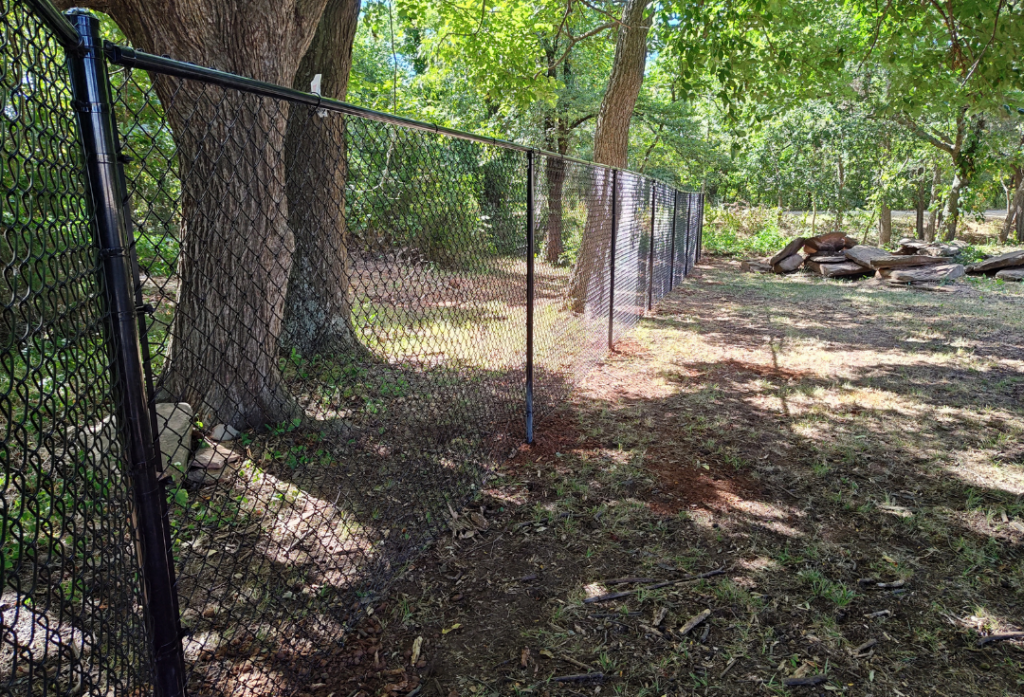
While rules vary by city and subdivision, here is what homeowners commonly see.
Front yard fences are often limited to shorter heights.
In many areas, this means around:
• three feet
• four feet
The reason is visibility.
Cities want drivers and pedestrians to be able to see clearly near streets, intersections, and driveways.
Backyard fences are usually allowed to be taller.
Six foot privacy fences are common in many Oklahoma neighborhoods.
This is the height most homeowners choose when they want:
• privacy
• security
• noise reduction
This is where services like Vinyl Fencing and traditional wood privacy fencing become popular choices.
Corner lots are different.
If your property sits near an intersection, there may be visibility triangle rules that limit fence height near the street corner.
This prevents fences from blocking the view of drivers turning or crossing intersections.
This surprises a lot of people.
Even if the city allows a certain fence style or height, your HOA may still restrict it.
For example, an HOA might regulate:
• fence colors
• approved materials
• height limits
• decorative styles
• whether fences can face the street
Some neighborhoods even require approval before installation starts.
That means you may need:
• city approval
• HOA approval
• both at the same time
Skipping HOA approval is one of the fastest ways to create problems with neighbors or community boards.
Material restrictions
Some HOAs only allow certain materials.
Examples include:
• wood only
• vinyl only
• no chain link visible from the street
This is why it is important to know your neighborhood rules before choosing between Metal Fencing, Vinyl Fencing, or other options.
Some communities limit:
• stain colors
• paint colors
• finish styles
The goal is usually visual consistency throughout the neighborhood.
Many HOAs require the “finished side” of the fence to face outward toward neighbors or streets.
This means the cleaner side of the fence panels faces away from your property.
Even if the city allows a six foot fence, an HOA might limit certain sections to four or five feet depending on visibility or neighborhood design.
Fence disputes are more common than people think.
One of the biggest causes is assuming where the property line is instead of verifying it.
Before installation, many homeowners benefit from:
• reviewing surveys
• checking plat maps
• confirming boundaries
Building too close to or across a property line can create expensive issues later.
This is where things can get expensive.
If a fence is built without following local requirements, you could face:
• fines
• required modifications
• full removal and replacement
• disputes with neighbors
Most of the time, these situations are avoidable with a little planning upfront.
Permits can add time to your project, but not as much as most people think.
In many cases:
• applications are processed within days to a couple of weeks
• delays usually happen when information is incomplete
Once approved, installation can move forward normally.
This is why it is better to handle permits early instead of trying to rush the process.
We covered permits in the previous blog, but this is where everything overlaps.
A city permit confirms:
• the fence meets local code
• height restrictions are followed
• placement complies with regulations
An HOA approval confirms:
• the fence matches neighborhood standards
One does not replace the other.
You may need both.
This is where things can become stressful fast.
Possible outcomes include:
• warnings
• fines
• required modifications
• forced fence removal
And unfortunately, “I didn’t know” usually does not change the outcome.
That is why planning ahead matters.
Some fence styles naturally fit regulations better than others.
Great for backyards, but often restricted in front yard areas because of visibility concerns.
Often approved more easily for front facing areas because it allows visibility.
This is where Metal Fencing can be a smart option depending on your neighborhood.
Rural properties may have different zoning standards compared to suburban neighborhoods.
That is where Farm Fencing becomes more relevant.
The taller the fence, the more wind pressure it experiences.
And in Oklahoma, wind matters.
Monitoring systems like Oklahoma Mesonet regularly track strong wind conditions across the state, reminding homeowners that environmental factors are a real design consideration.
That means taller fences often need:
• deeper posts
• stronger support
• better spacing
This is especially true for solid privacy fencing.
Organizations like American Fence Association emphasize designing fences around local environmental conditions, not just appearance.
Before moving forward with installation, ask:
What is the maximum allowed height
Does my HOA require approval
Are there restrictions on materials or colors
Is my property on a corner lot
Do visibility rules apply near my driveway or street
These questions can save a lot of frustration later.
One of the advantages of working with a local fence company is familiarity with common restrictions in the area.
That includes:
• understanding local zoning patterns
• recognizing HOA requirements
• designing fences that are more likely to be approved
This saves homeowners from costly redesigns or delays.
Even if your fence meets every rule, it still needs maintenance to stay in good condition.
For wood fencing especially, protecting the material from weather is important.
That is where Fence Staining and Sealing helps extend the appearance and lifespan of the fence.
In many areas, six foot backyard fences are common, but exact limits vary by city and neighborhood.
Yes, if the fence violates HOA guidelines or approval requirements.
Sometimes yes. Many HOAs still require approval even for replacements.
Because cities want to maintain visibility for traffic and pedestrian safety.
Fence rules can feel frustrating at first, but they exist to help avoid bigger problems later.
The key is understanding the requirements before installation starts.
That means checking:
• city regulations
• HOA guidelines
• property lines
• visibility rules
Whether you are considering Vinyl Fencing, Metal Fencing, Farm Fencing, or a traditional privacy fence, planning ahead helps ensure the project goes smoothly from start to finish.
Because the best fence is not just one that looks good.
It is one that fits your property, meets local requirements, and stays standing strong for years to come.